The Fontaine de Vaucluse, a little paradise.
Where do you find it ?
Fontaine de Vaucluse, what is it ?
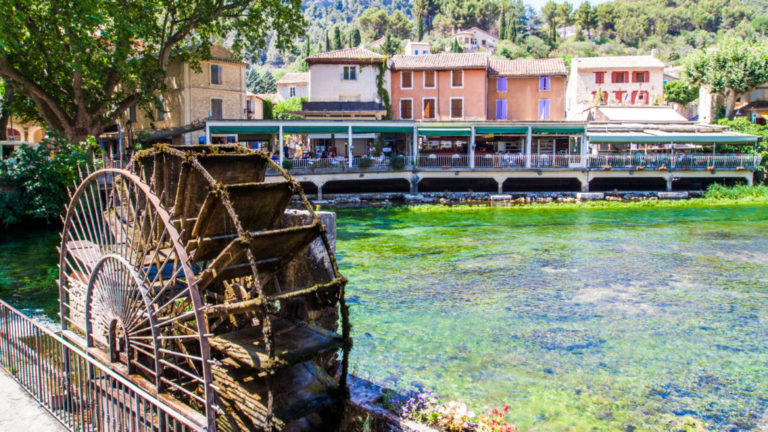
Fontaine de Vaucluse’s village is a wonderful place visited every years by tourists and a
lot of inhabitants all around the Vaucluse. This place takes its strength from its fantastic
landscapes and its river called the “Sorgue“.
What can you find down there ?
As I said, this village is very touristic and everything in it is made to attract more and more
people. With many restaurants or even ice cream makers. But there is also cultural and
traditional places as museums, traditional craft stores present there for several decades.
What can we eat ?
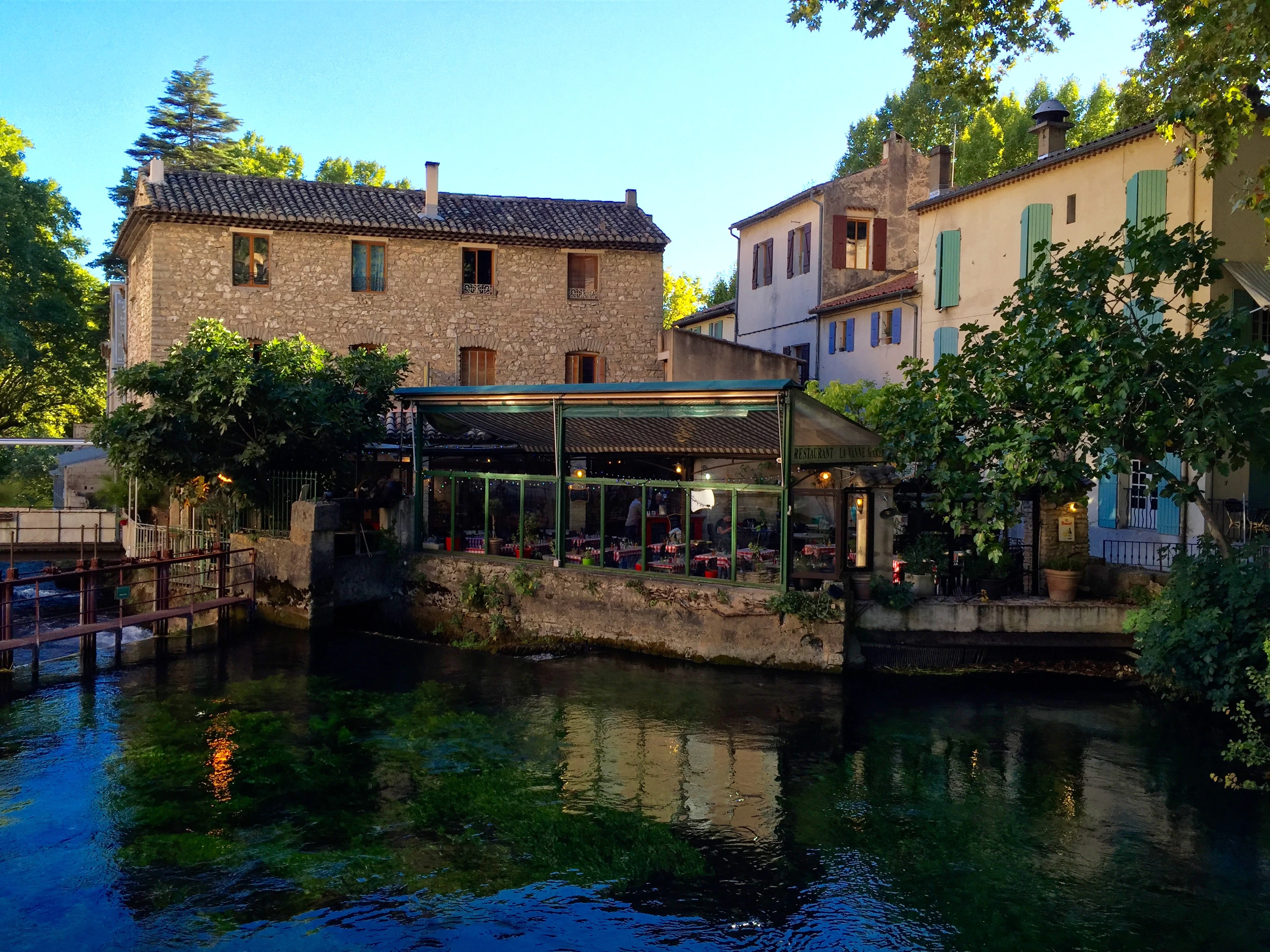
The Fontaine de Vaucluse has classical and typical french restaurants and all sort of food
trucks, where it is possible to eat the local products and south french recipes and others
very tasty meals prepared by talented chefs, or even little refreshment stands which can
sell all kind of foods like pizzas, sandwiches, paninis…
What are the traditional souvenirs or items I can buy?
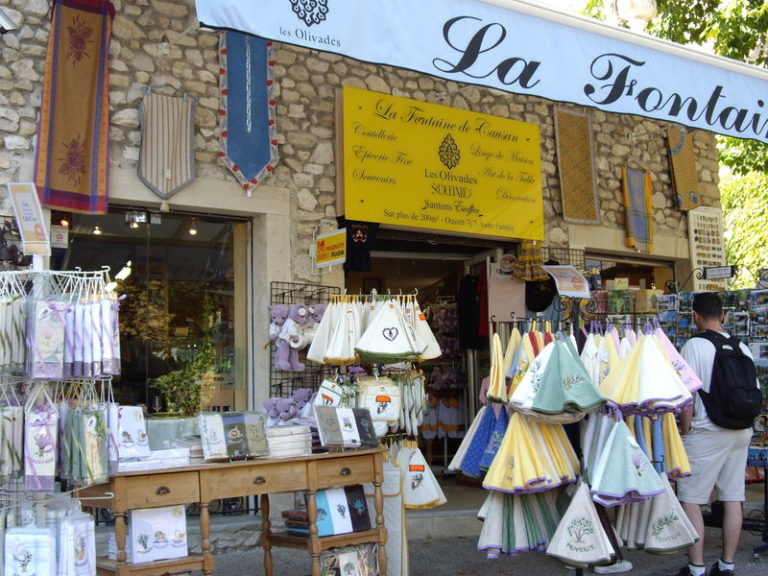
The place got various stores which offers different types of cakes, biscuits that are
traditionally cooked and prepared in the Vaucluse like the well known “nougats de Sault” or
the “zezettes”. There is also lavenders made products that attract most of the tourists, from
tissues to clothes, candies flavoured from lavender, or even stuffed animals for childrens.
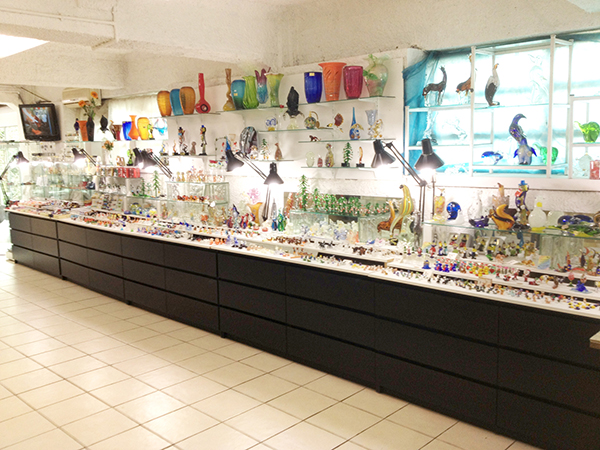
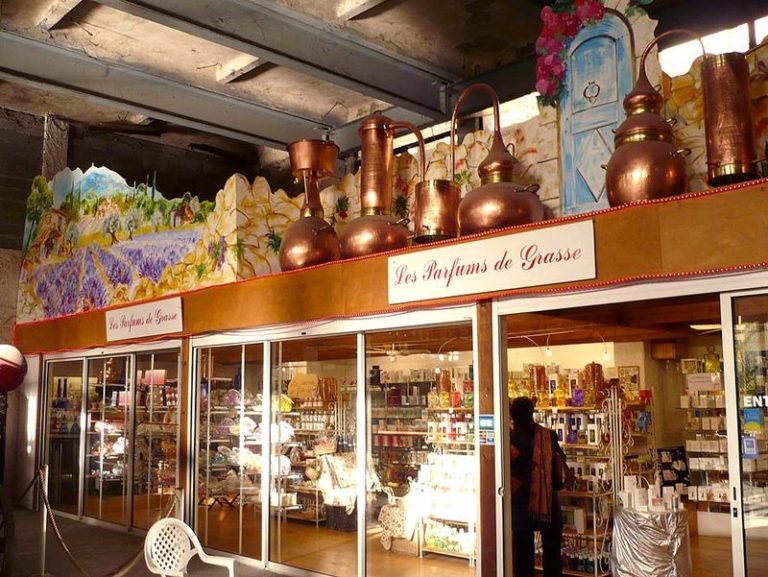
From other things that we can buy there is also a long chain of stores proposing parfumes,
hand made knives, figurines made of glass, metal statues and all of that knowing that the
craftsmen are making them in front of us. Same thing for the bakery and pastry that sell
numerous baked goods.
The glass factory
The perfumery
Are there cultural places to visit ?
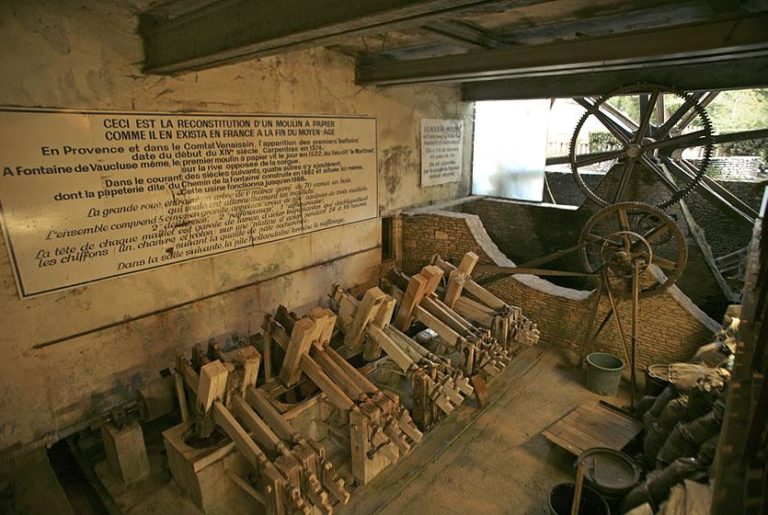
Two places are visited by most of the people, we know that there is the famous Museum
Vallis Clausa which is free and opened to everyone and retraces the history of paper
making through the ages and especially in this part of the Vaucluse, it shows the machines
that are used to this end, the instruments, or even the ingredients needed to make paper,
with at the beginning of the museum a lot of historical books to buy in order to learn the
local history.
The Vallis Clausa Museum
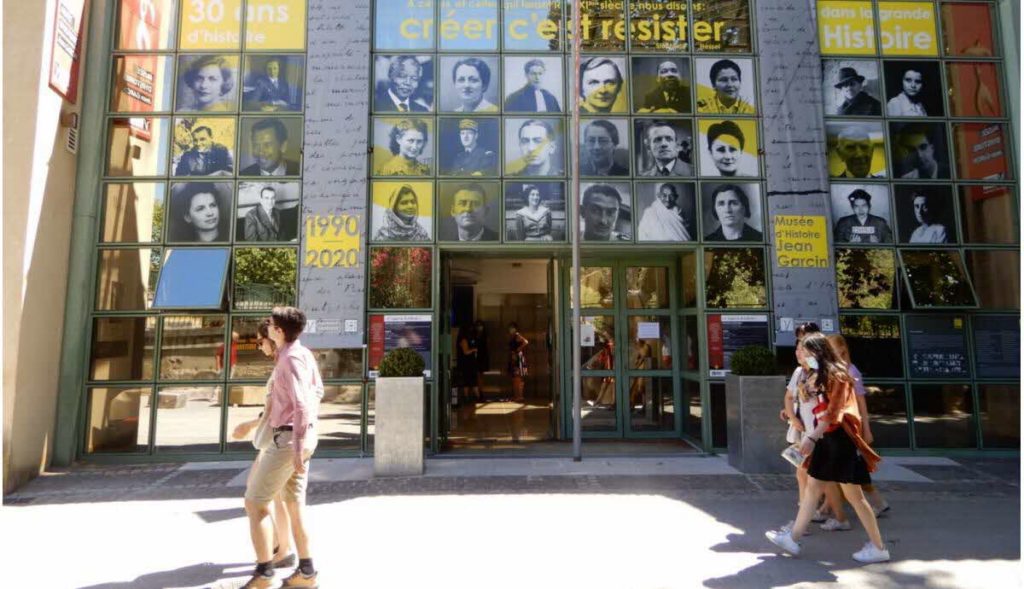
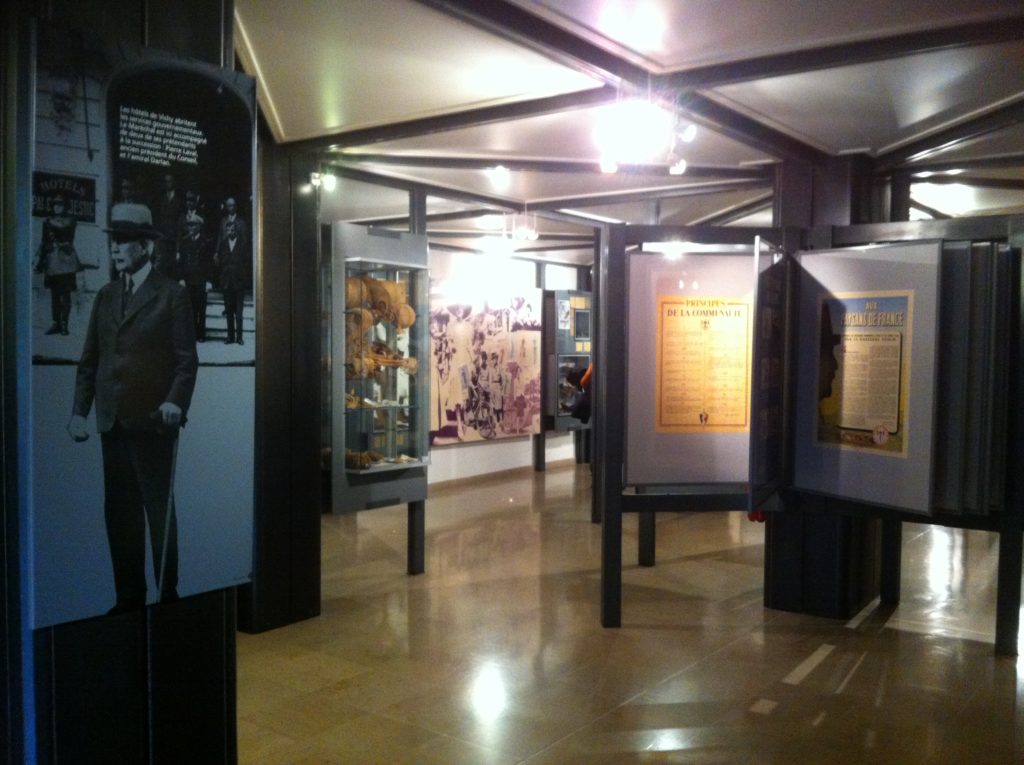
For the more recent and historical place we can visit, there is the famous Jean Garcin
Museum on the long alley which proposes interesting prices for young and students people
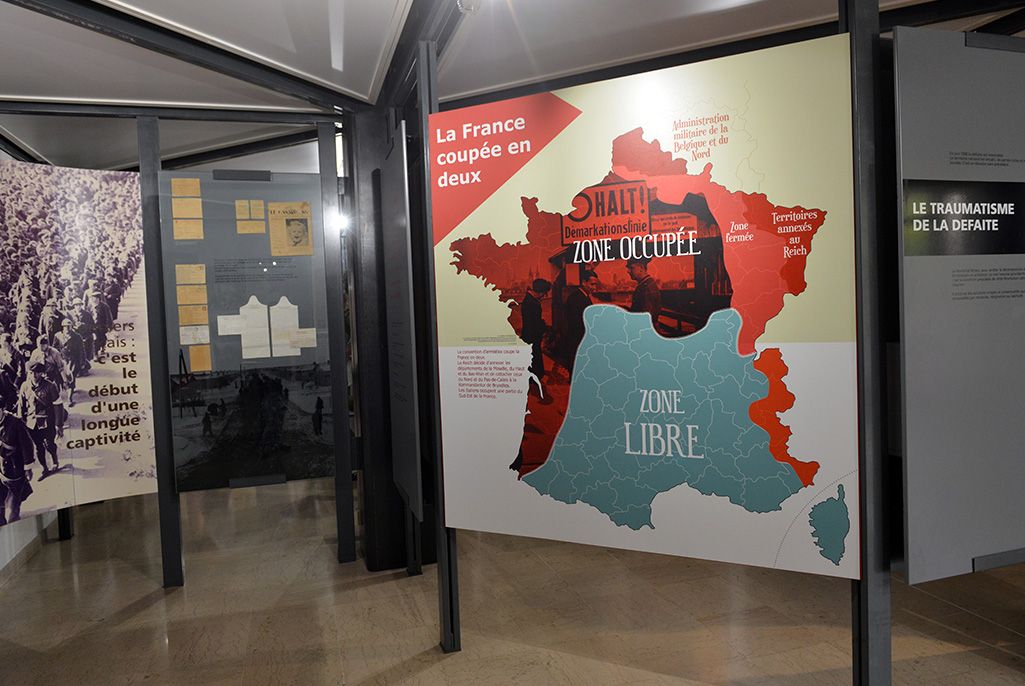
especially and not so expensive prices for the adults. It is in fact a Museum that tell the
stories of the Second World War resistants in France but particularly the ones in the
Vaucluse, with the “Maquis Ventoux”. It’s a very cool place for people that loves this
historical context or for the ones that want to learn this part of History.
A bunch of pictures from the Jean Garcin Museum :
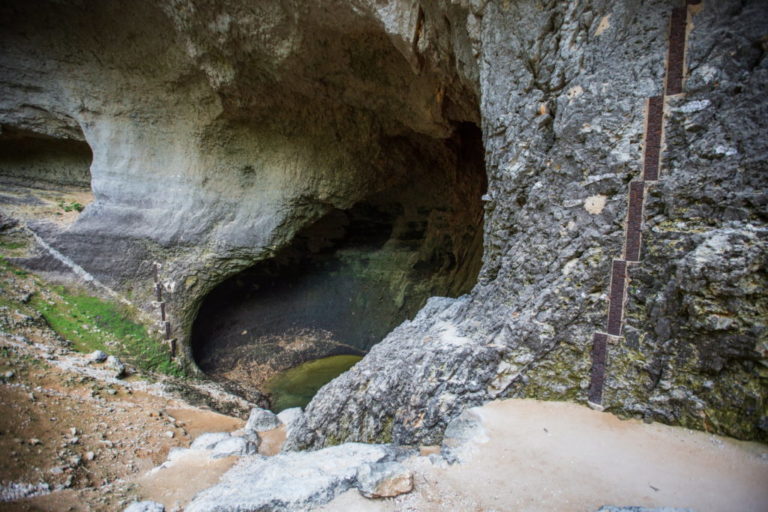
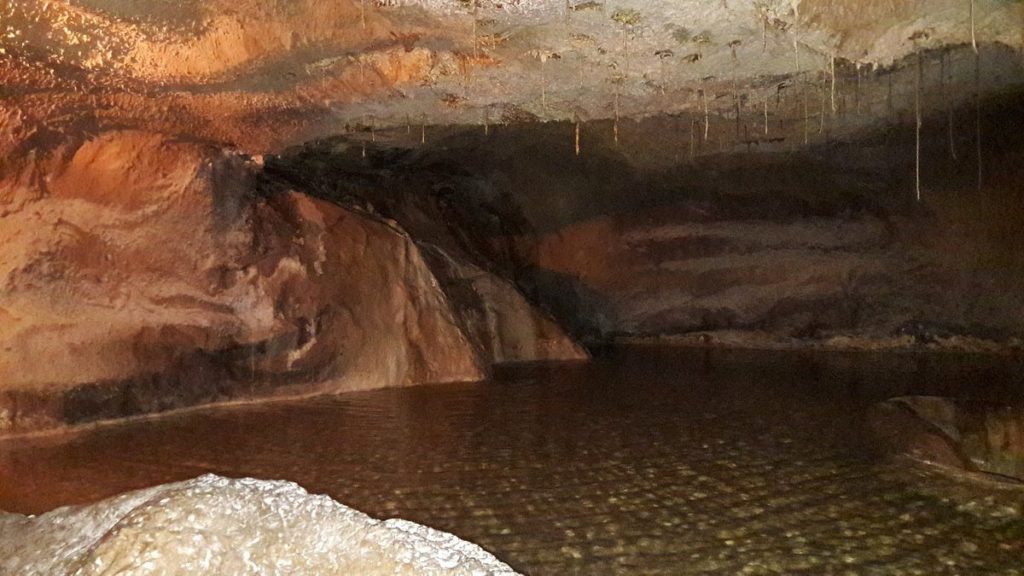
The abyss of the Fontaine de Vaucluse :
Known to be the first reason why people come to the village, the abyss is the mysterious
upstream of the Sorgue river, dry at certain times of the year, and completely full at others.
The phenomenon is completely variable and can change depending on the temperature, or
the weather. Many searchers have studied this place but no one really understood why this
thing happens, also with the depth of the abyss and its source which has not been found to
this day.
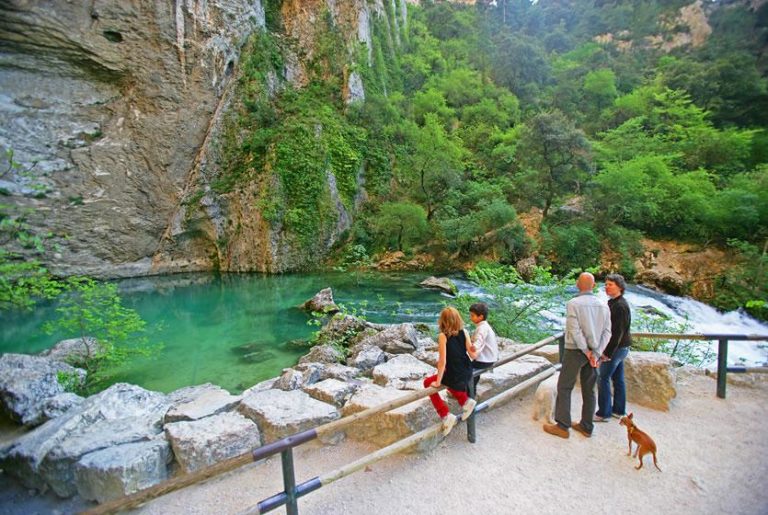
The filled abyss :
The empty abyss :
The Fontaine de Vaucluse inside the Vaucluse
The Fontaine de Vaucluse is a stunning natural spring located in the
Vaucluse department of southeastern France. It is one of the largest
natural springs in the world and is a popular tourist destination due to its
natural beauty and historical significance.
The history of the village :
The Fontaine de Vaucluse has a rich and storied history that dates back to prehistoric times.
The area around the spring has been inhabited for thousands of years, with evidence of
human settlement dating back to the Paleolithic era. The Romans also recognized the
importance of the spring and built a temple dedicated to the goddess Vauclusa near the site.
During the Middle Ages, the Fontaine de Vaucluse was a center of religious activity, and
several monasteries were built in the area. The spring was also an important source of water
for nearby towns and cities, and several aqueducts were built to transport water from the
spring to these locations.
The Fontaine de Vaucluse also became an important center of learning and culture,
attracting scholars and artists from across Europe. The famous Italian poet Petrarch is said
to have discovered the spring in 1336 and was inspired to write some of his most famous
works while living in the nearby village of L’Isle-sur-la-Sorgue.
In the 17th and 18th centuries, the Fontaine de Vaucluse became a popular destination for
aristocrats and wealthy travelers who were drawn to its natural beauty and cultural heritage.
During this time, many of the buildings and structures that still exist today, such as the paper
mill and the castle ruins, were built.
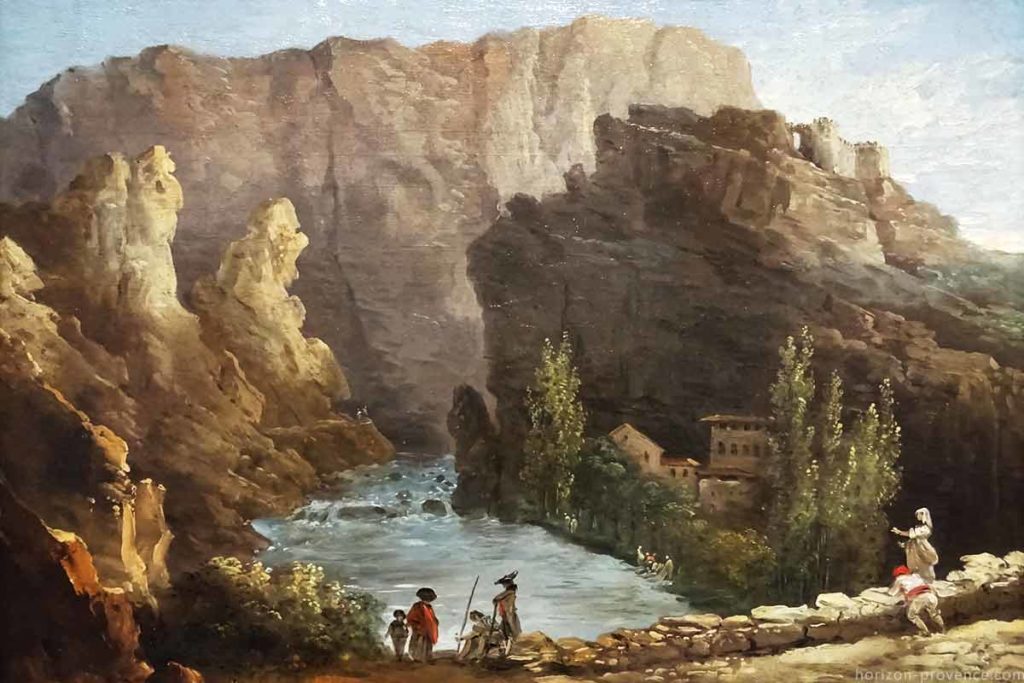
In the 19th century, the Fontaine de Vaucluse became a popular destination for artists, who
were inspired by the stunning scenery and tranquil surroundings. Many famous painters,
including Cézanne, Van Gogh, and Monet, came to the area to paint and draw.
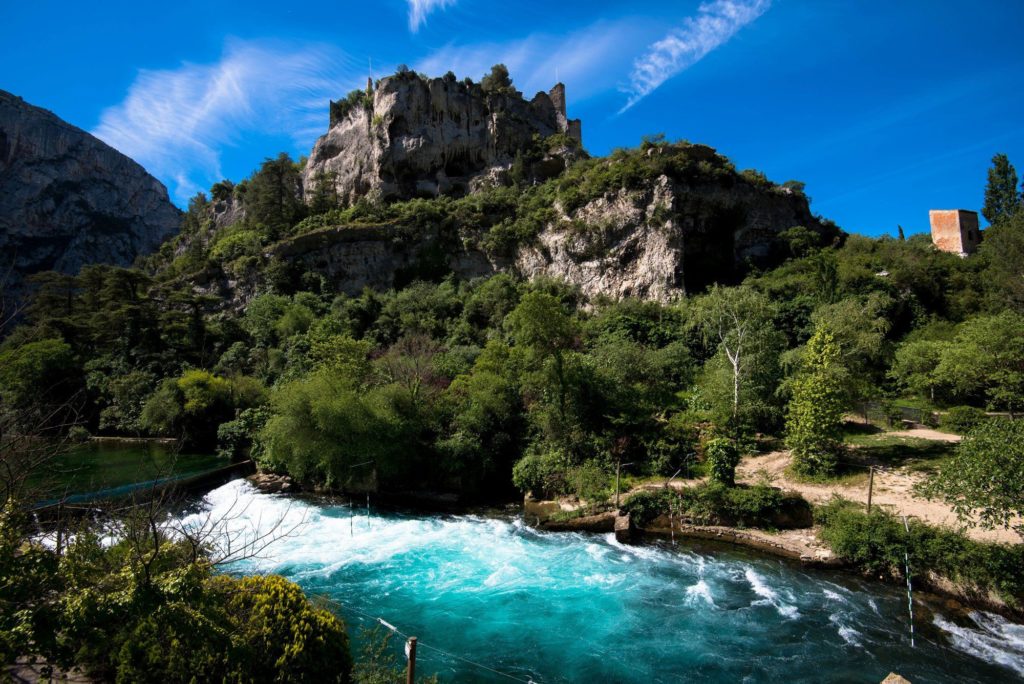
What about geology ?
The Fontaine de Vaucluse is located at the foot of a towering cliff and is fed by an
underground river that flows through the surrounding limestone mountains. The spring is
the result of a geological fault that allows the water to reach the surface. The water that flows
from the spring is incredibly pure and clear, and has a constant temperature of around 13°C
(55°F) all year round.
As I said it is in fact a karstic resurgence that emerges from the base of a steep cliff. The
at the spring. The volume of water that flows from the Fontaine de Vaucluse can vary greatly
depending on the season and the amount of rainfall, but it has been known to reach up to
200,000 liters per second.(This is what I talked about… The abyss)
My personal experience :
If I decided to talk to you about this place in particular it is because I am personally attached
to it and since my youth it has always been one of my favorite places. I have always been
fascinated by the landscapes of this village, its river, its monuments and despite the fact that
I have been there many times, I will not hesitate to go back again. The fact is that even the
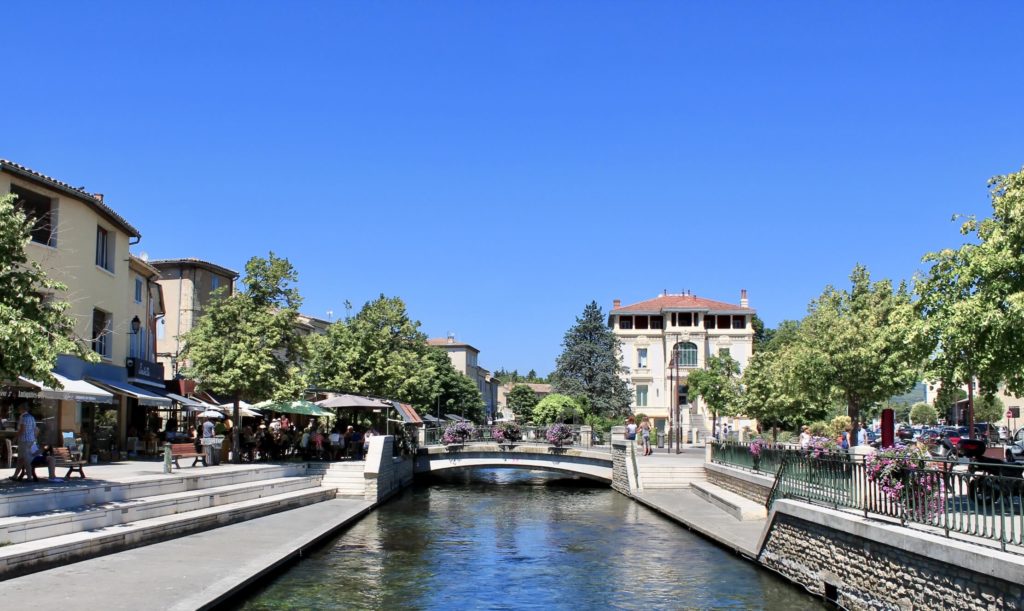
roads to get there are beautiful, and one of the towns we pass through is even more
beautiful, l’Isle sur la Sorgue. It’s a larger and almost as charming version of the town of
Fontaine de Vaucluse, with more restaurants, more tourist attractions and one of the most
popular markets in our department.
Some others of the places to visit around the Fontaine de Vaucluse:
François Pétrarque Museum-Library: This museum is dedicated to the life and work of the poet Pétrarque, who spent several years of his life in Vaucluse.
Château de Saumane: This 12th century castle offers a breathtaking view of the Sorgue valley. It is now converted into a luxury hotel.
The Gorges de la Nesque: These natural gorges offer beautiful landscapes for hiking or driving.
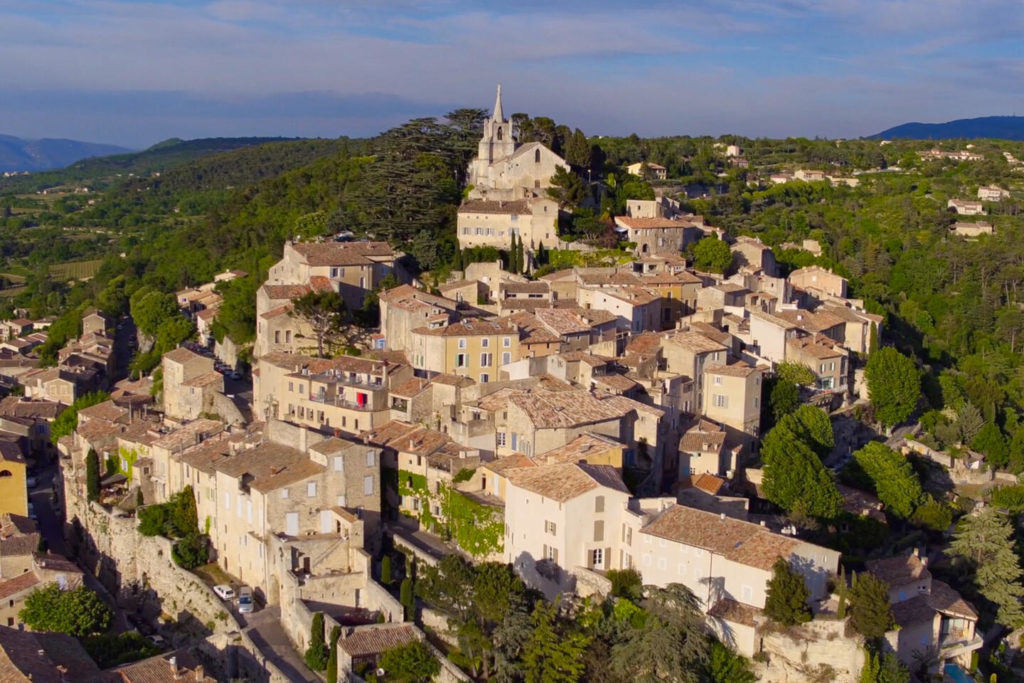
Perched Villages: The perched villages of Gordes, Roussillon and Bonnieux offer panoramic views of the Provencal countryside and charming cobblestone streets.
Notre-Dame de Sénanque Abbey: This 12th century Cistercian abbey is nestled in a secluded valley and offers a glimpse of the region’s Romanesque architecture.
L’Isle-sur-la-Sorgue market: This Provencal market is famous for its local produce, antiques and art.
Wine cellars: The area around Fontaine de Vaucluse is known for its wines, and wine cellars such as the Cave de Bonnieux or the Cave de Luberon offer tastings and tours.
I hope this list will be useful for you to plan your visit!