Localisation :
Fontaine de Vaucluse, what is it ?
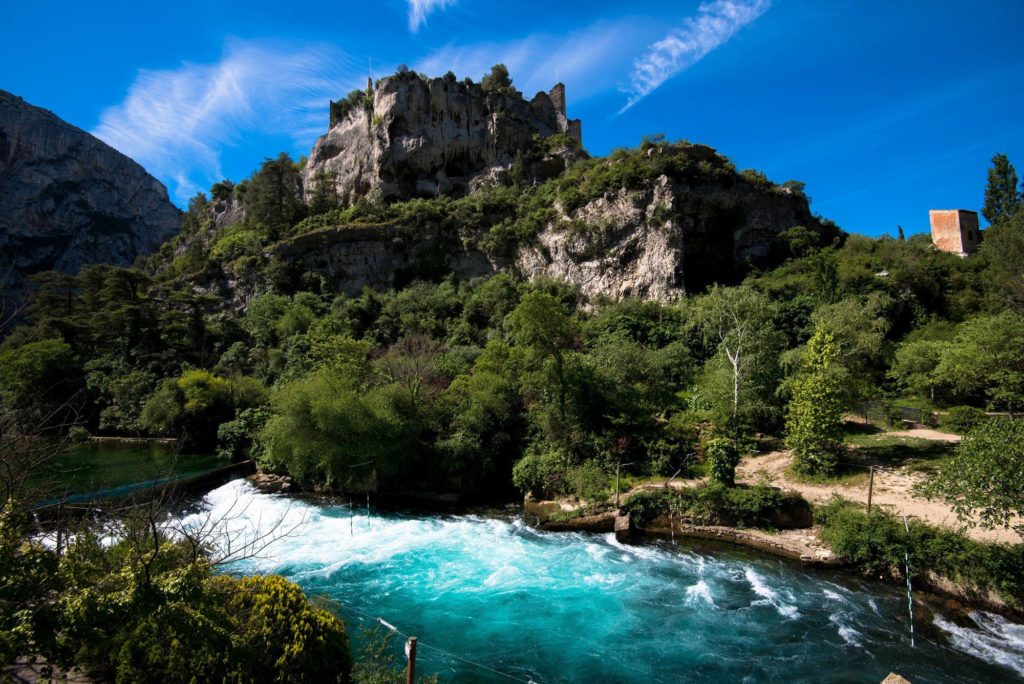
Fontaine de Vaucluse’s village is a wonderful place visited every years by tourists and a
lot of inhabitants all around the Vaucluse. This place takes its strength from its fantastic
landscapes and its river called the “Sorgue“.
What can you find down there ?
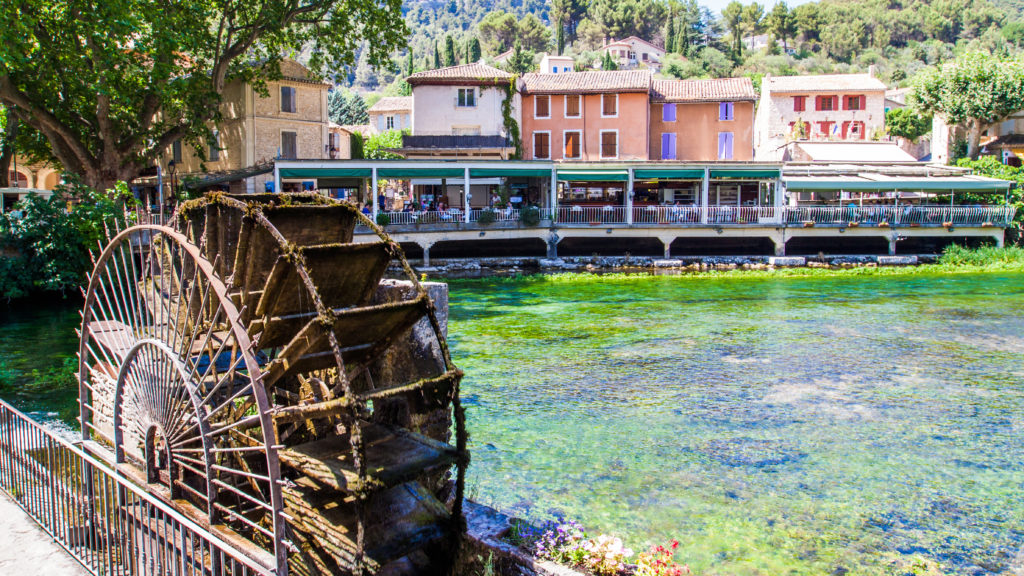
As I said, this village is very touristic and everything in it is made to attract more and more
people. With many restaurants or even ice cream makers. But there is also cultural and
traditional places as museums, traditional craft stores present there for several decades.
What can we eat ?
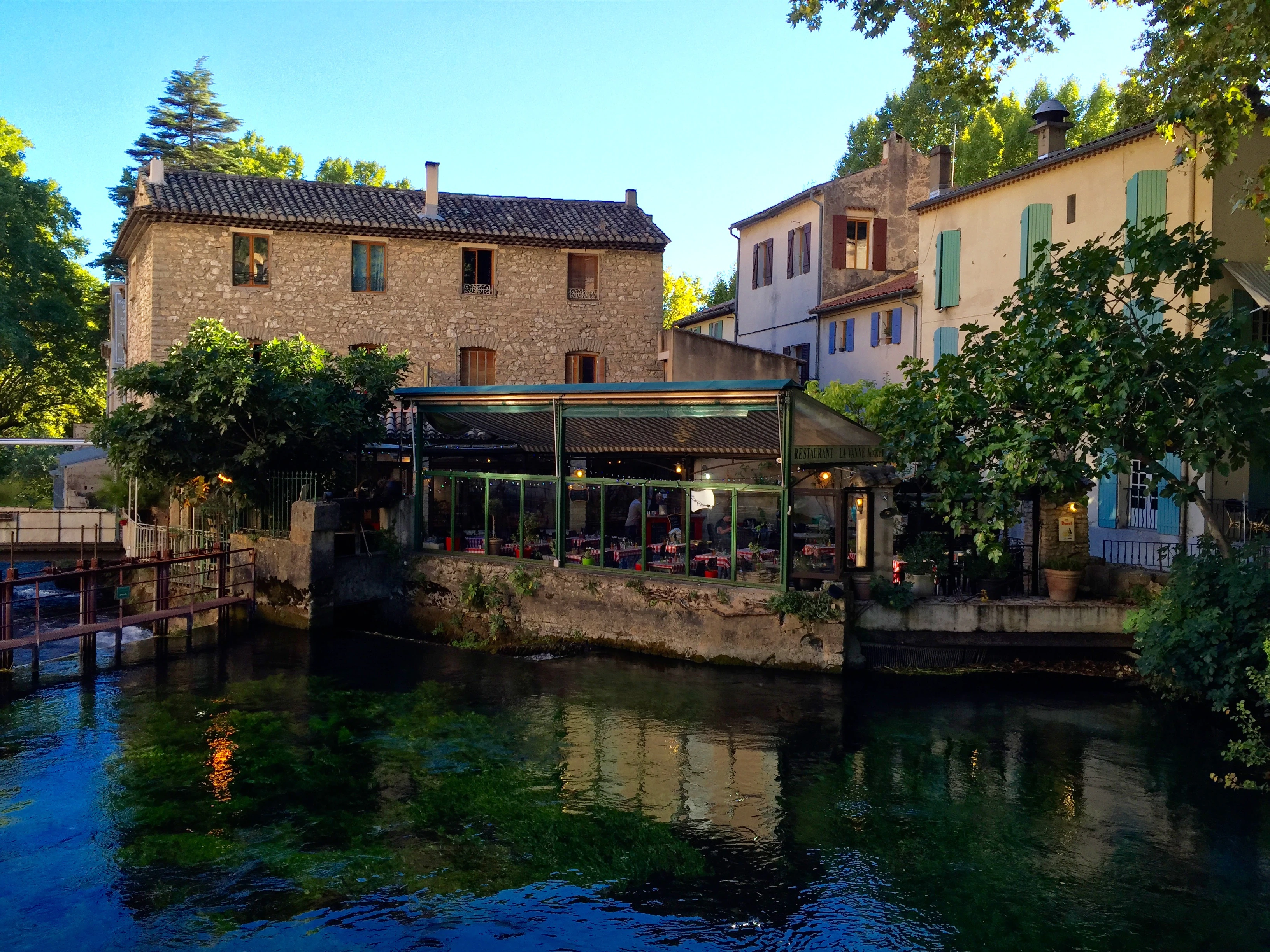
The Fontaine de Vaucluse has classical and typical french restaurants and all sort of food
trucks, where it is possible to eat the local products and south french recipes and others
very tasty meals prepared by talented chefs, or even little refreshment stands which can
sell all kind of foods like pizzas, sandwiches, paninis…
What are the traditional souvenirs or items I can buy?
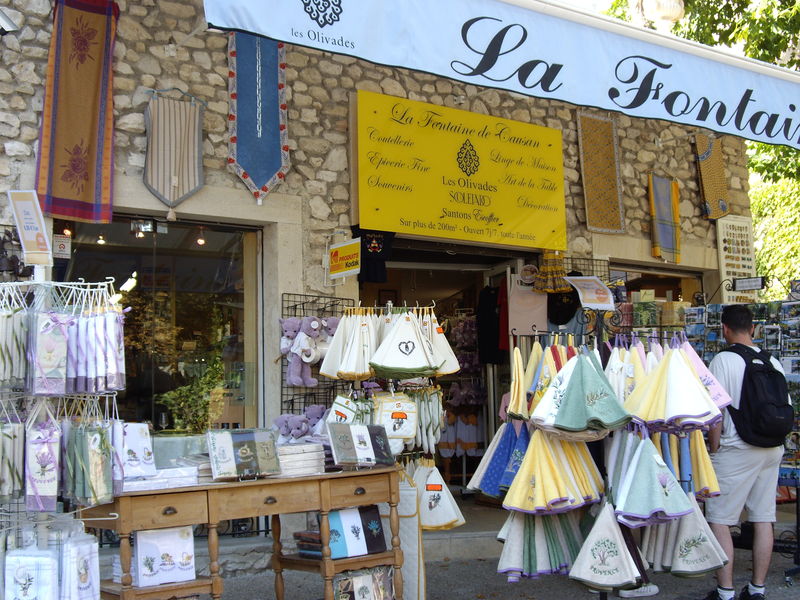
The place got various stores which offers different types of cakes, biscuits that are
traditionally cooked and prepared in the Vaucluse like the well known “nougats de Sault” or
the “zezettes”. There is also lavenders made products that attract most of the tourists, from
tissues to clothes, candies flavoured from lavender, or even stuffed animals for childrens.
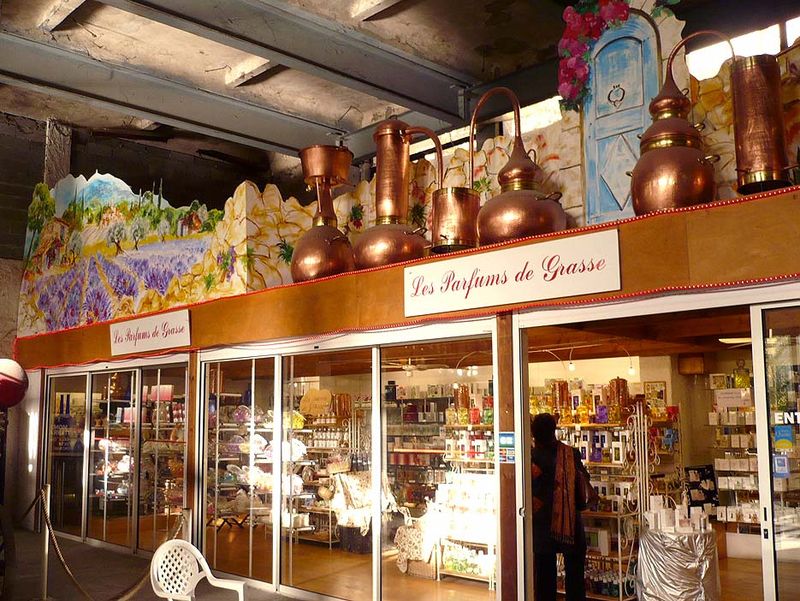
From other things that we can buy there is also a long chain of stores proposing parfumes,
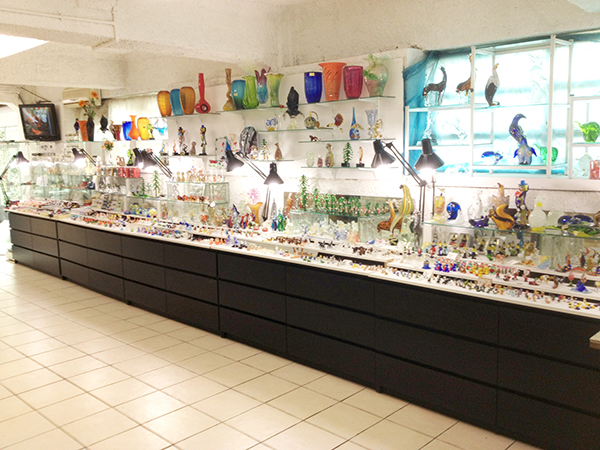
hand made knives, figurines made of glass, metal statues and all of that knowing that the
craftsmen are making them in front of us. Same thing for the bakery and pastry that sell
numerous baked goods.
The glass factory
The perfumery
Are there cultural places to visit ?
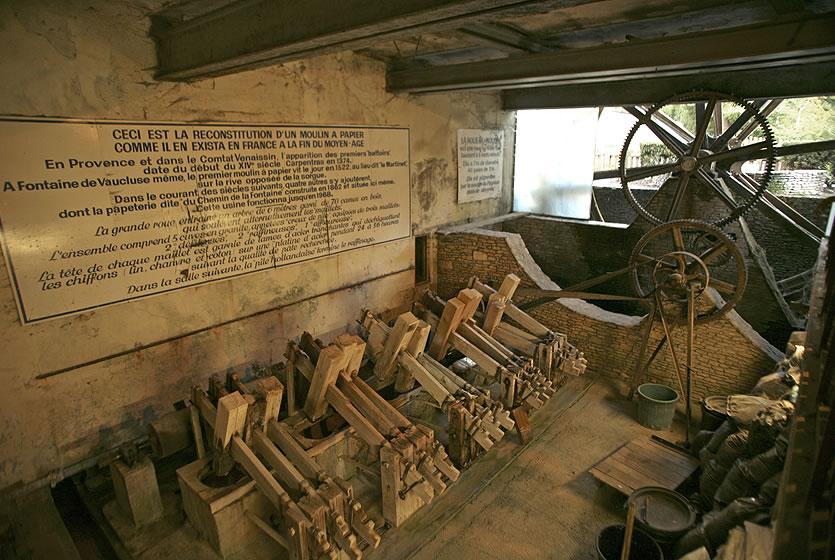
Two places are visited by most of the people, we know that there is the famous Museum
Vallis Clausa which is free and opened to everyone and retraces the history of paper
making through the ages and especially in this part of the Vaucluse, it shows the machines
that are used to this end, the instruments, or even the ingredients needed to make paper,
with at the beginning of the museum a lot of historical books to buy in order to learn the
local history.
The Vallis Clausa Museum
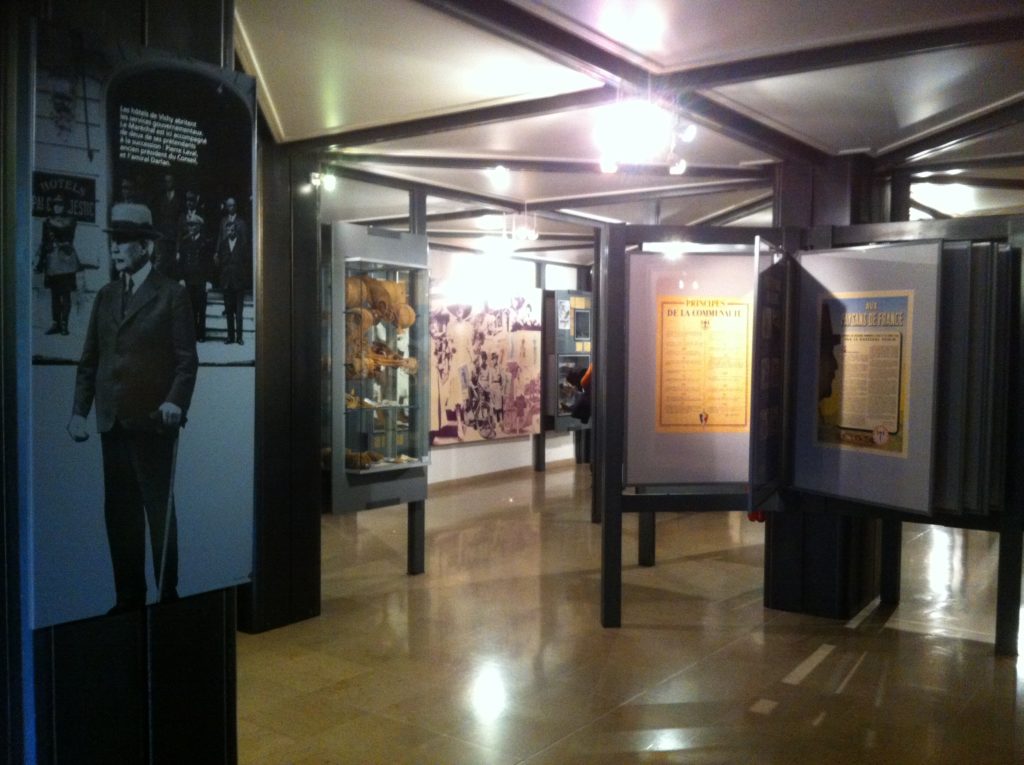
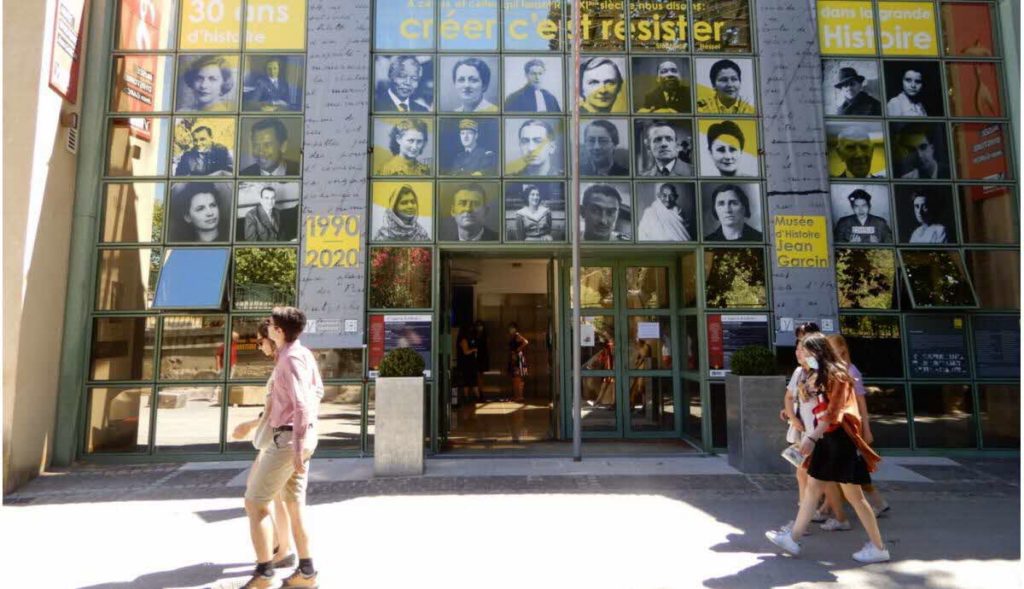
For the more recent and historical place we can visit, there is the famous Jean Garcin
Museum on the long alley which proposes interesting prices for young and students people
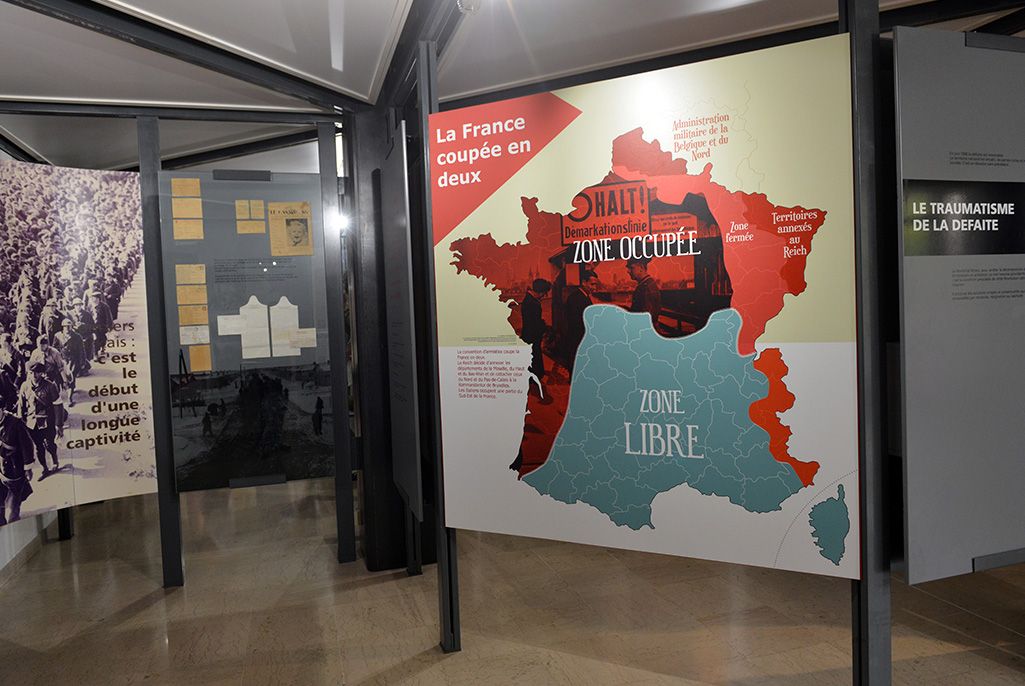
especially and not so expensive prices for the adults. It is in fact a Museum that tell the
stories of the Second World War resistants in France but particularly the ones in the
Vaucluse, with the “Maquis Ventoux”. It’s a very cool place for people that loves this
historical context or for the ones that want to learn this part of History.
A bunch of pictures from the Jean Garcin Museum :
Le gouffre de la Fontaine de Vaucluse:
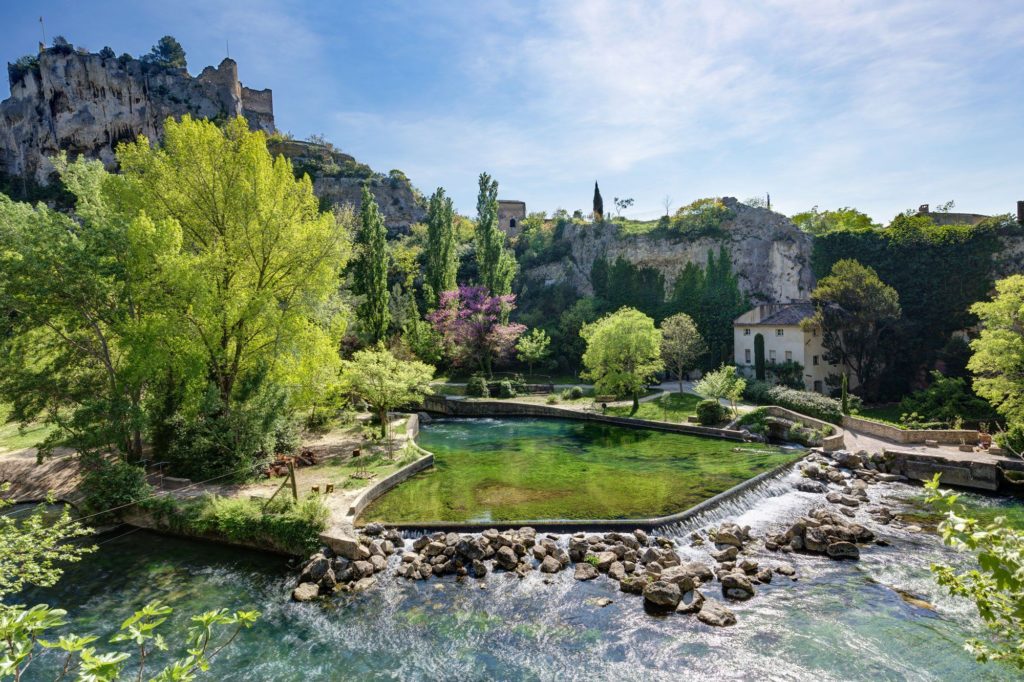
Connu pour être la première raison de la venue pour laquelle les touristes se déplacent à la Fontaine de Vaucluse, le gouffre est l’amont mystérieux de la Sorgue, sec à certains moments de l’année, et complètement plein à d’autres moments. Le phénonème est complètement aléatoire et peut varier en fonction de la température, ouKnown to be the first reason why people come to the village, the abyss is the mysterious
upstream of the Sorgue river, dry at certain times of the year, and completely full at others.
The phenomenon is completely variable and can change depending on the temperature, or
the weather. Many searchers have studied this place but no one really understood why this
thing happens, also with the depth of the abyss and its source which has not been found to
this day.
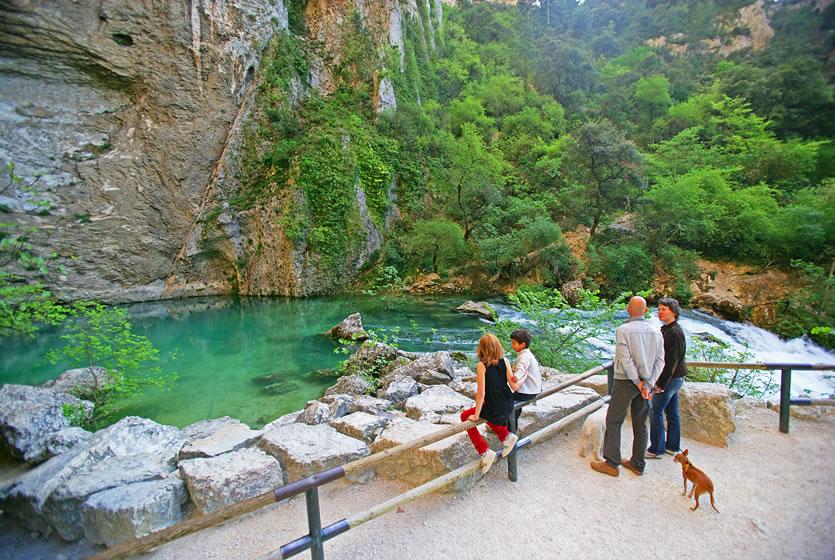
The filled abyss :
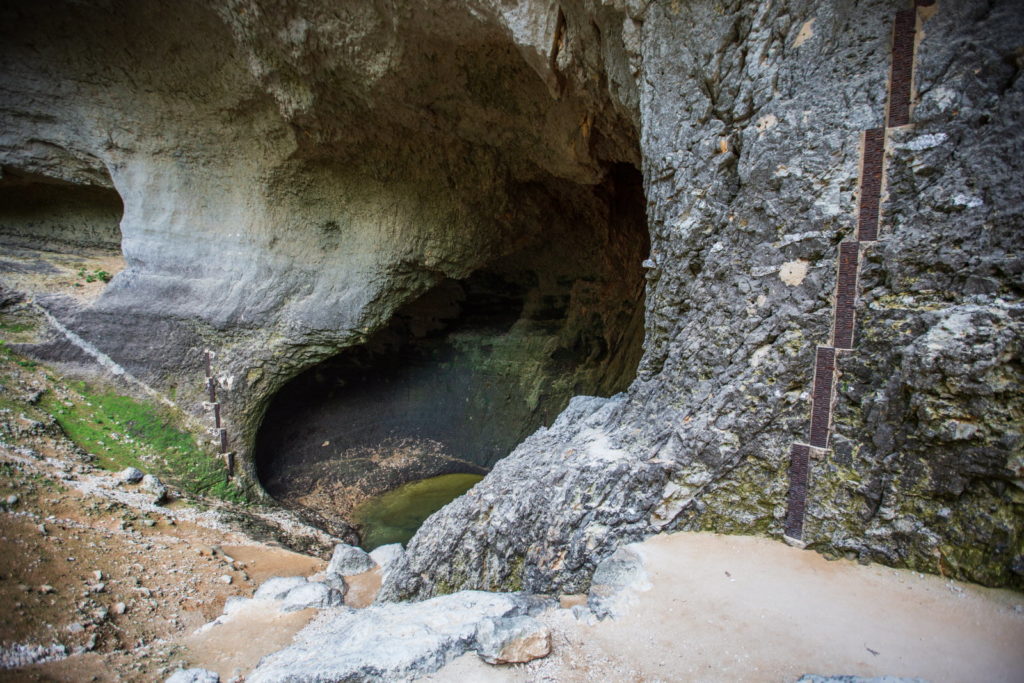
The empty abyss :
What you should remember about this place :
La Fontaine de Vaucluse is one of the best places to go in the Vaucluse, it is a beautiful and very pleasant village with free access to many cultural places and incidentally several places to eat.
Ressources :


The capital city of the Vaucluse :
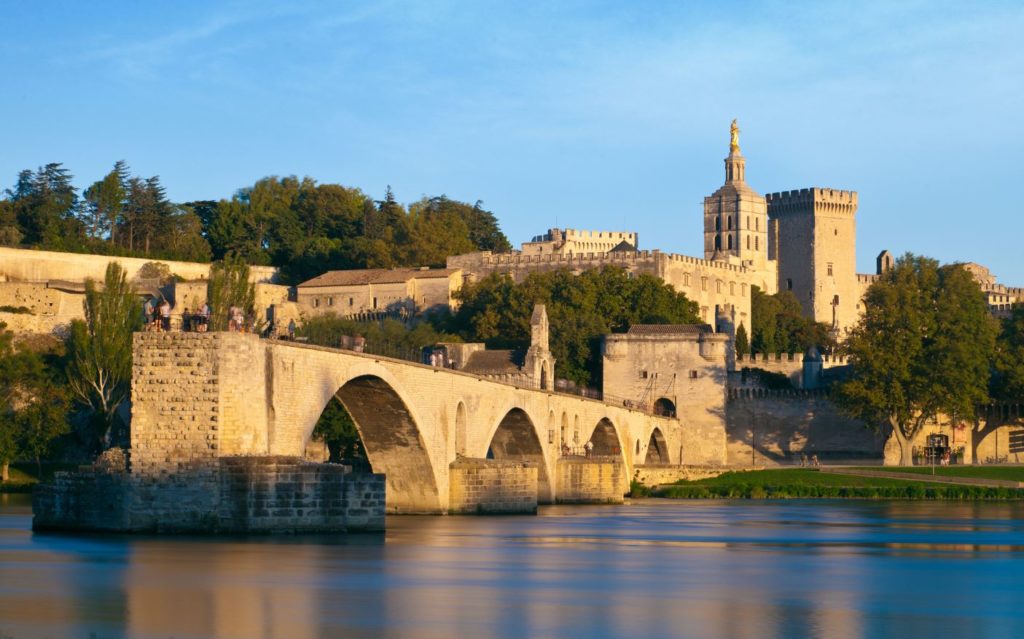
It’s impossible to talk about beautiful places in the Vaucluse without talking about it’s capital city,
Avignon. And by knowing the places in it, it will be possible to learn more about it in the three
following articles.
Le Jardin des Doms :
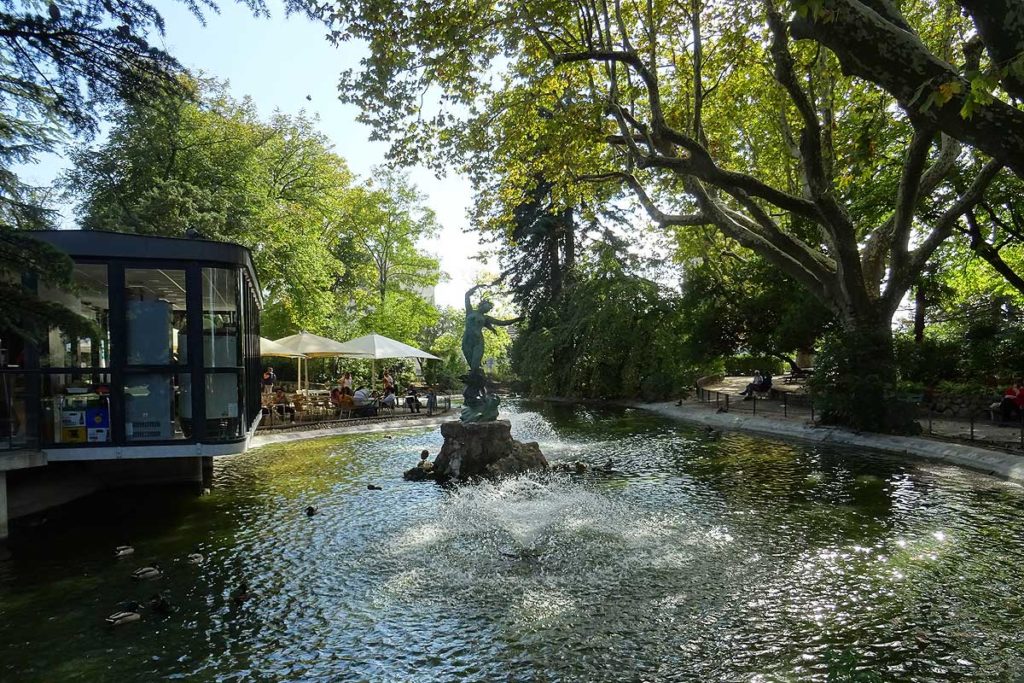
The Rocher des Doms garden is a XIXᵉ century, 3 hectare public garden on the Rocher des Doms
located in Avignon, which is the historic center of the Vaucluse . Neighboring the Palace of the Popes
of Avignon and its palace gardens, it is classified as a remarkable garden since 2003.
The Doms rock is inhabited by the first inhabitants of the history of Avignon, since the Neolithic (period
of human history which signs the appearance of agriculture).
In the 19th century, great works were carried out in order to transform it into a real park: trees, lawns
and water tanks were put in place.
A bassin was created, accompanied by statues of famous characters such as the “Venus with Swallows”
by Felix Charpentier.
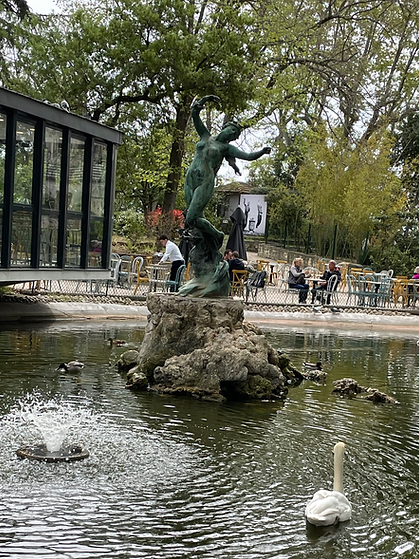
“Venus with Swallows”
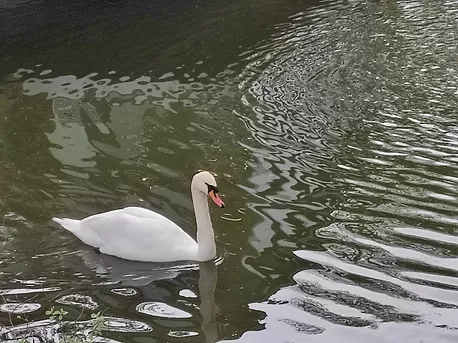
It is a place of walk and relaxation very appreciated by the locals and the visitors, thanks to its
lake where many ducks and other swans will keep you company.
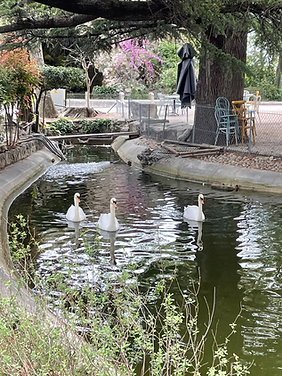
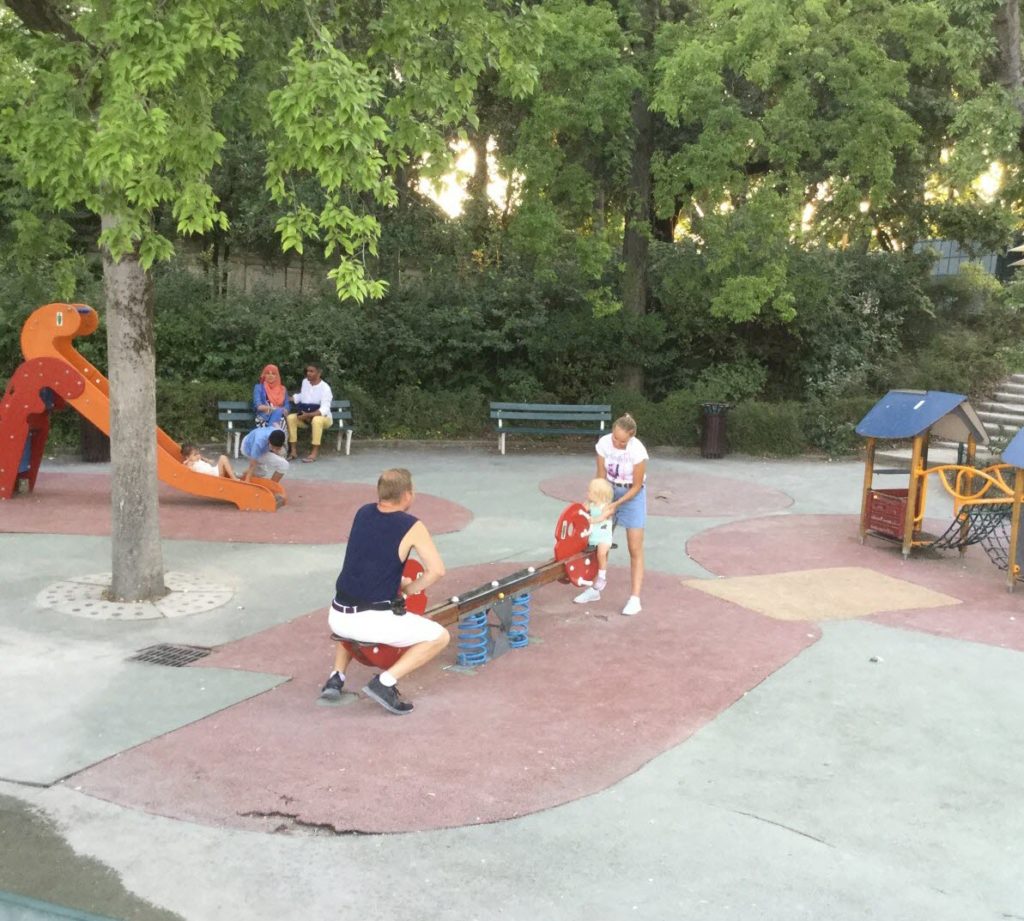
The garden has a restaurant-buffet open every day during the season. There is also the
possibility to have a picnic with the children playground ( slides, swing, etc. ) and small wooden
horses, only reserved for kids.
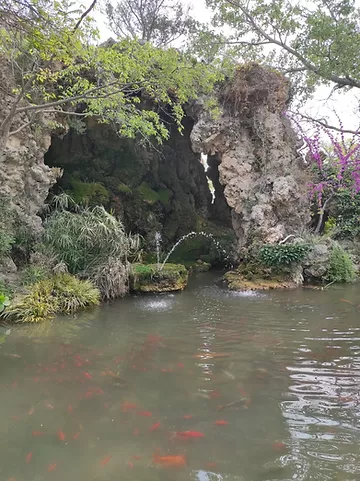
Here is the pretty small waterfall accompanied by its basin filled with Carp Koi !
For all the people interested in a roadtrip in the South of France, Avignon is one of the places
not to be missed especially for its garden of the Doms!
The three negative points I can mention are first of all the unbearable smell of the Carp Koi
pond, and the impossibility to bring our pets.
La Rue des Teinturiers :
The rue des Teinturiers is a picturesque street paved with pebbles from the Durance. It starts
from the ramparts and follows the Sorgue river up to the crossing of the rue des Lices.
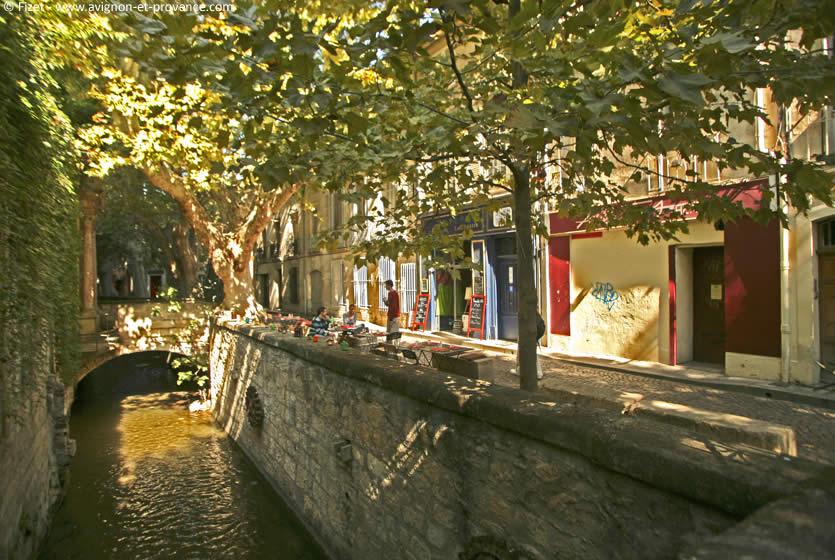
It is appreciated in summer for the coolness that emanates from the canal and for the shade
offered by its majestic plane trees. During the Festival, many cafés and restaurants offer you
the opportunity to wait for the beginning of the theater plays.
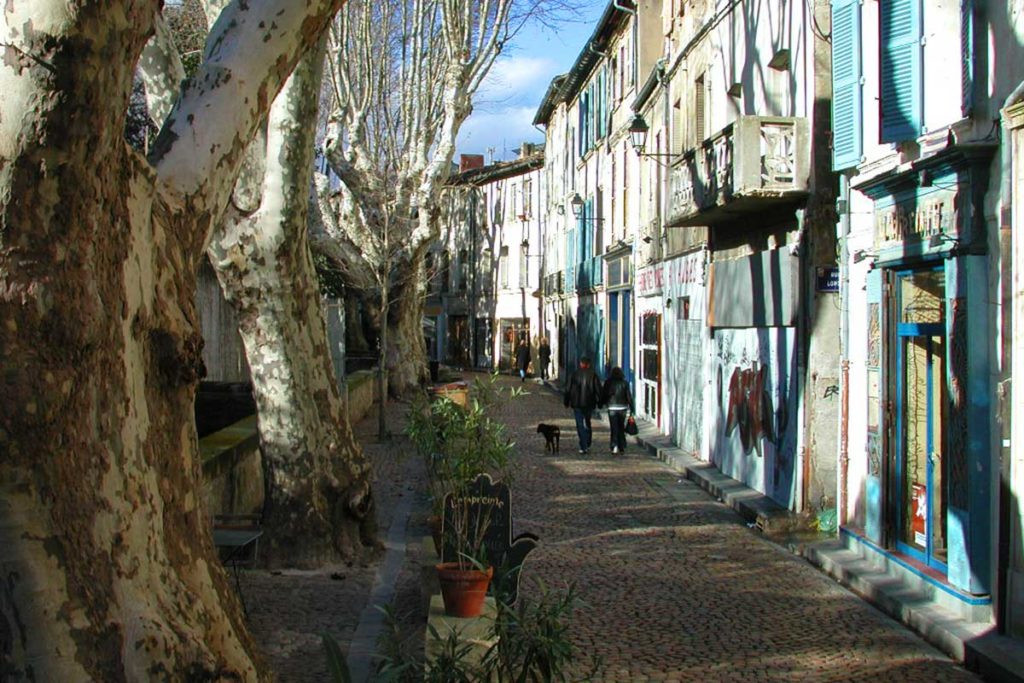
From morning to late evening, you can enjoy this exceptional atmosphere, whether you are a
spectator or a simple passer-by. To discover the history of this picturesque street and at the
same time, that of its inhabitants, is to discover the history of Avignon as a whole…
The rue des Teinturiers, nicknamed the rue des Aubes, takes its name from the intense
industrial activity linked to textiles that flourished between the 14th and 19th centuries.
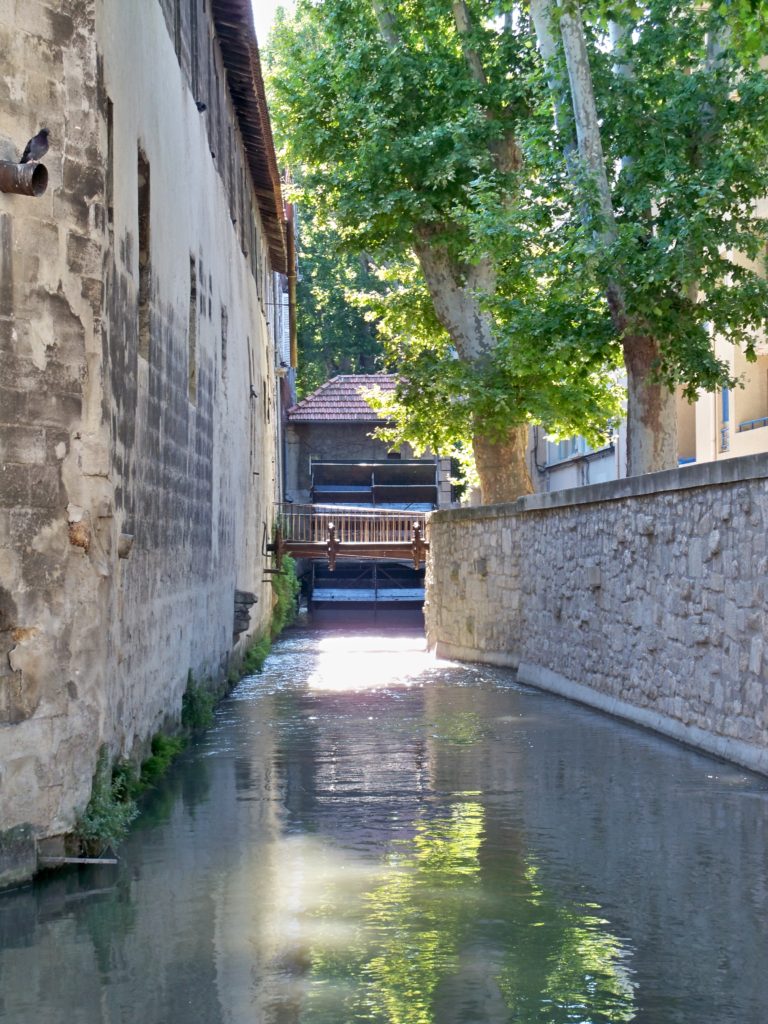
The street follows the Sorguette, fed by water from Fontaine de Vaucluse. In the 10th century
this water filled the ditches at the foot of the ramparts before being transformed into a driving
force for the mills necessary for the silk industry from 1440. The 16th century saw the birth of
the Indian factories giving work to the dyers and guarantors, but also to the tanners and
curriers.
Four wheels remain and still testify of this past.
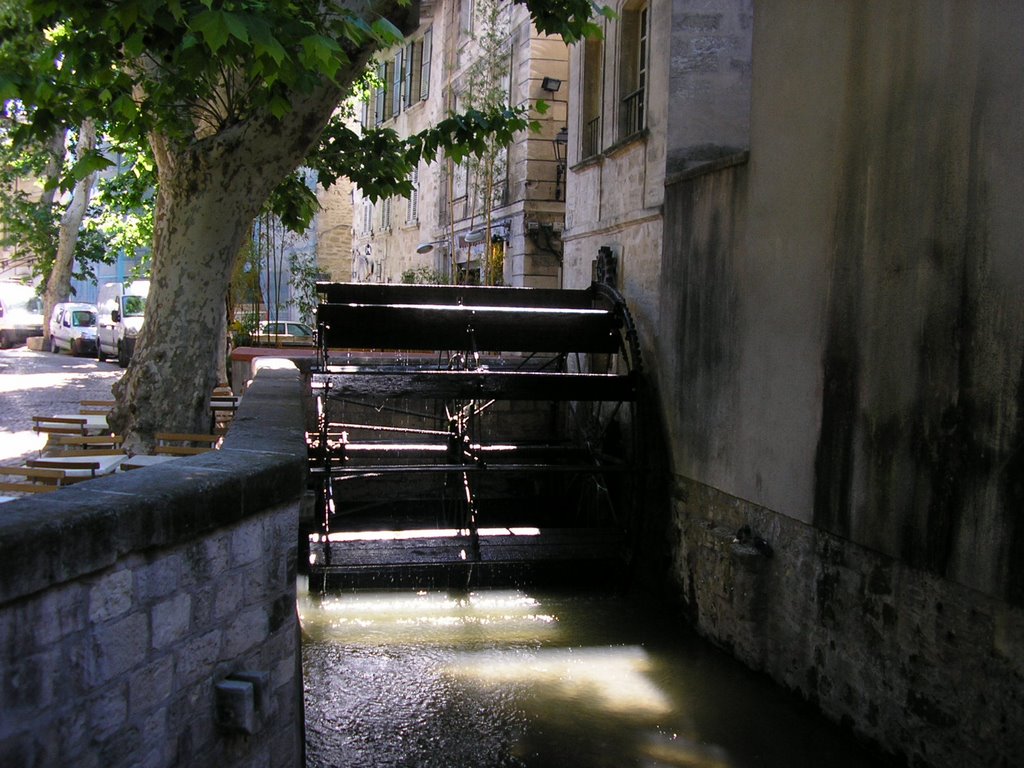
During the visit I’m sure you would see that the street will be full of tourists who, like you, will
enjoy a pleasant stroll in this beautiful street dotted with small cafes and other typical
restaurants next to the stream and many pigeons on the lookout for the slightest crumb.
La Basilique Saint Pierre :
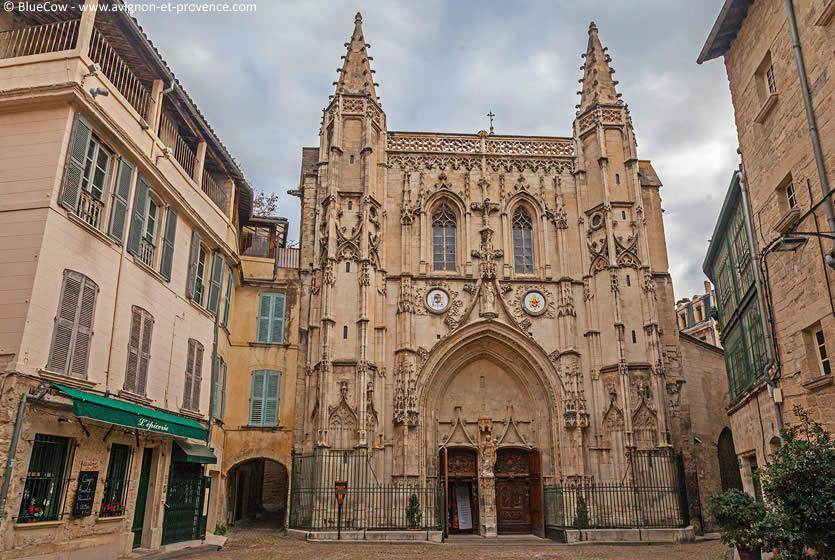
This place full of charm, away from the gaze and traffic, is very popular with tourists.
You can admire the woodwork, the altarpiece, the pulpit or the paintings, including a “adoration
of the Shepherds” by Simon de Chalons. Its facade, of flamboyant Provençal Gothic is the
most embellished of all the churches of Avignon and its doors alone are worth a look.
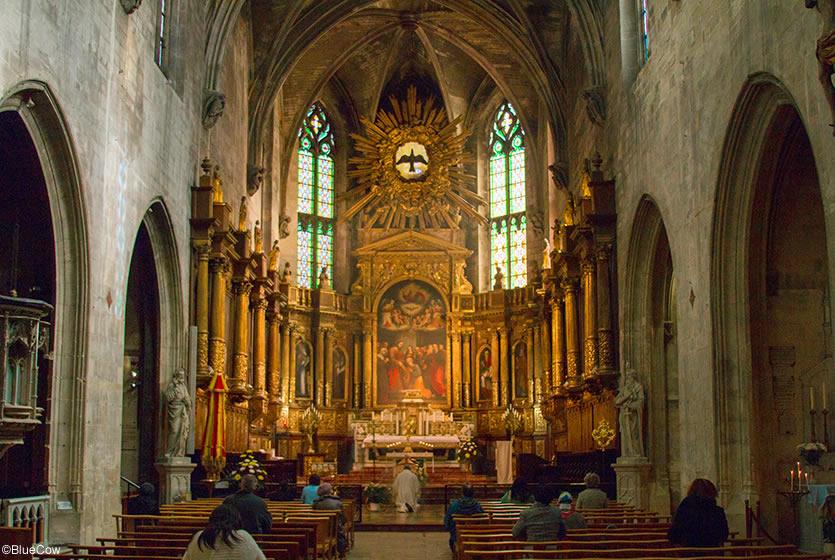
Already from the outside you can see the beauty of the church, but as soon as you enter inside
you can smell a warm smell of candles lit, there was a large sign that indicated us to be silent,
after that you enter a whole other world, even if you’re not being a Christian it is a very
impressive place.
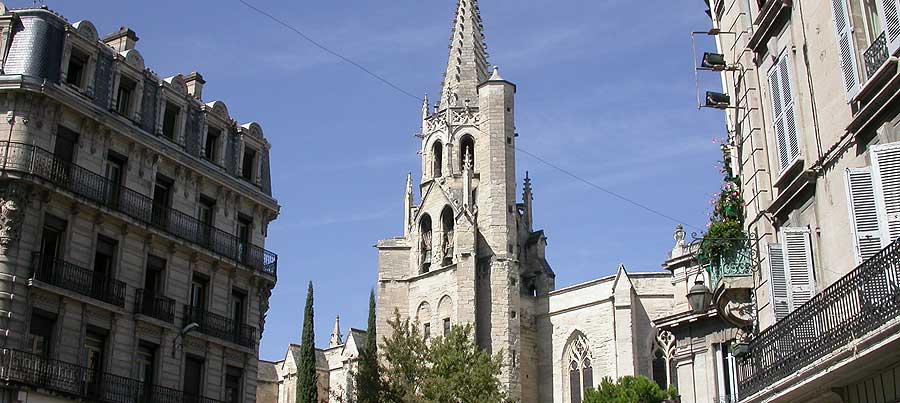
After entering here you’ll feel a feeling of peace, with most of the time not many people, maybe
some old people sometimes praying and few tourists who take photos, the basilica is
huge and the favorite part is the place where you pray, all covered with a gold color.
